Fettah
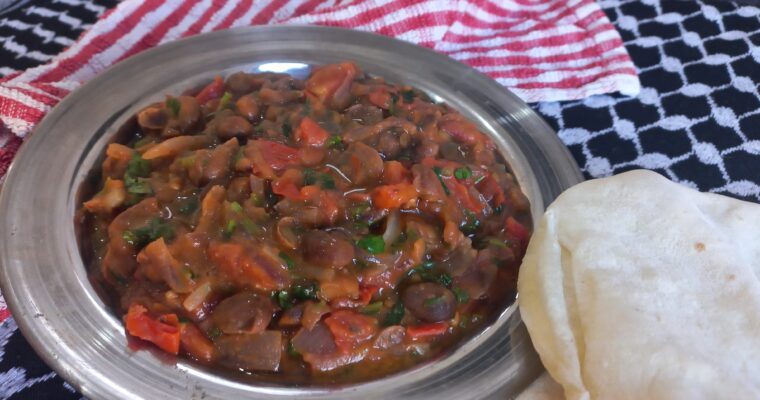
Fettah is a signature dish of Egypt.
authentic Egyptian recipes
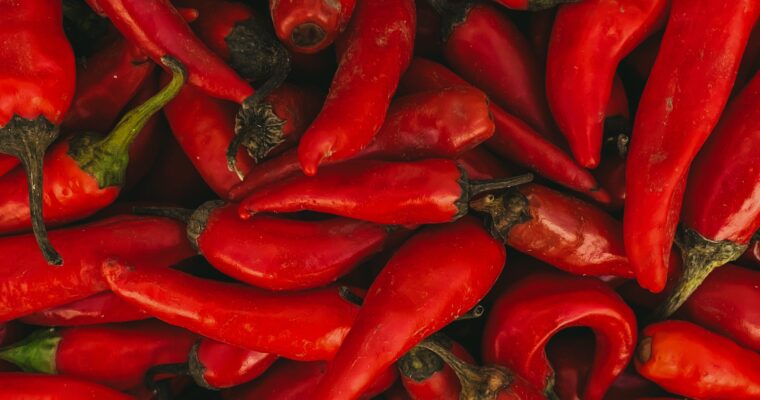
Shatta Hot Pepper Sauce: Learn to make Shatta Hot Pepper Sauce and bring a bit of excitement to the table.
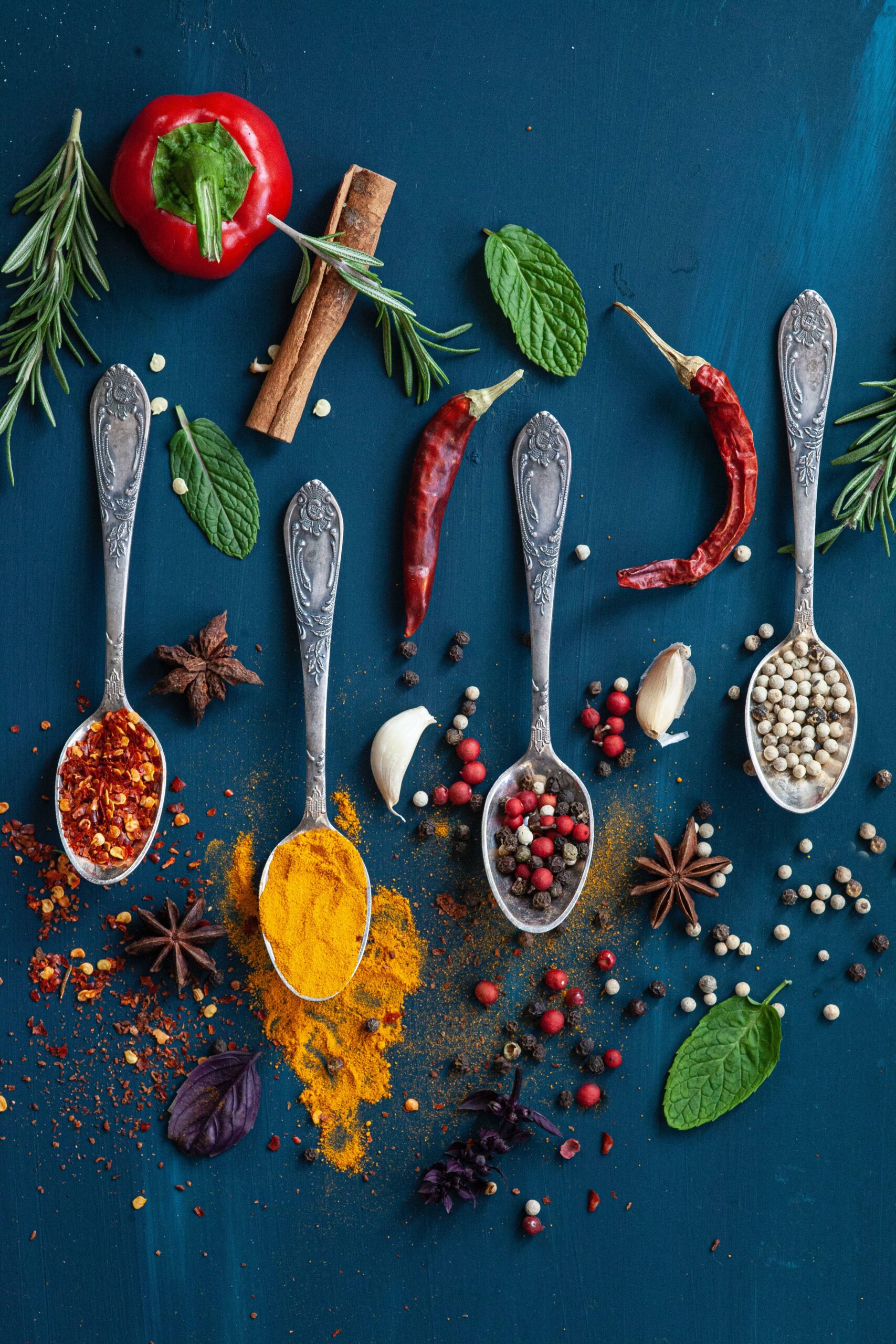
Spice things up a bit and get amazing results
Have you ever considered you should Spice things up – just to make things a bit more interesting? If you did, would people sit up and take notice. Things could take on totally different dimensions from the regular, everyday monotony.
“Missing that magic touch?”
Have you ever followed a recipe to the letter, only to end up with something… underwhelming? The dish is fine, but it’s missing that special something—that depth of flavour that makes it unforgettable.
I know that feeling all too well. Decades ago, I was determined to impress my husband with a special meal, only to hear, “It’s nice… but it’s not like they make it in Egypt.” That sent me on a journey—watching, learning, and standing shoulder to shoulder with skilled Egyptian cooks to uncover their secrets. And you know what I discovered? It’s all in the spices.
Sometimes its down to a particular process or technique they carry out that makes the difference . But, more often than not, it’s down to the crafting of the spice blends, that takes that dish to to next level of excellence.
The right blend doesn’t just add flavour; it transforms a dish. It’s the difference between a meal that’s simply “good” and one that makes people pause, savour, and smile.
That’s what we do here at Secrets of a Cairo Kitchen—we bring you the know-how to craft authentic Egyptian flavours in your own home. So, if you’re ready to take your cooking to the next level, let’s spice things up!
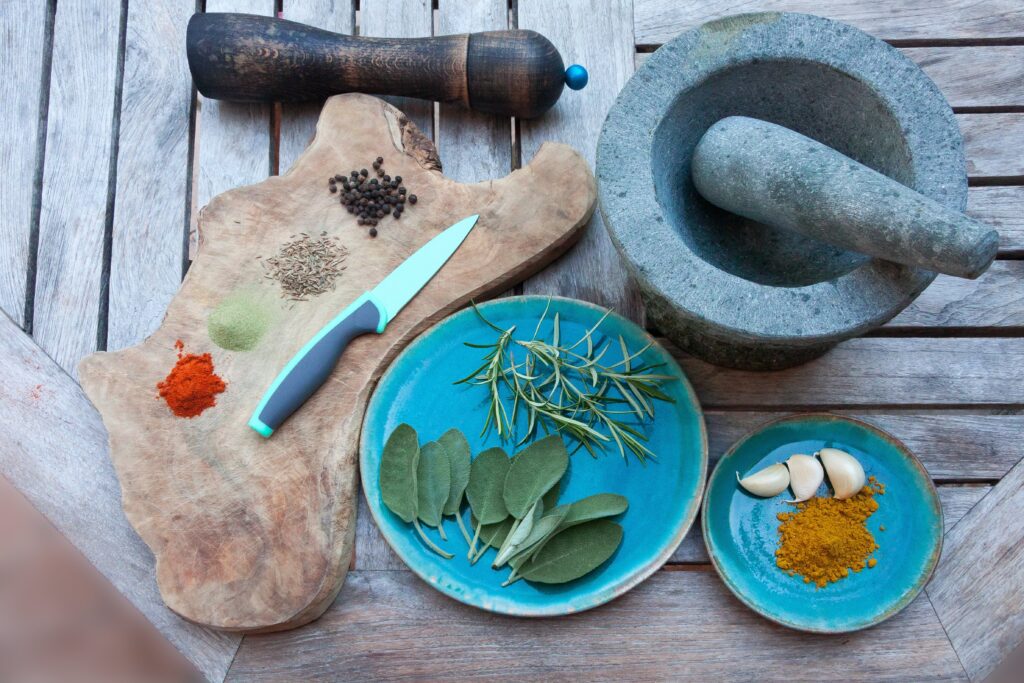
Using the perfect herbs & spices for a recipe makes all the difference between a dish that’s ‘nice’ and a dish that makes your taste buds dance & makes everyone smile.
Let’s face it, that’s what we all want, isn’t it ? We want to be the ones that create the possibilities for others to have a reason to smile. That’s why we cook for people. It’s not just because they’re hungry, well they may be, but it’s so much more than that. Isn’t it ?
For some people cooking is simply a chore. They’d much rather just grab something ready-made out of the freezer and “bung” it into the cooker to get dinner ready .
For others, cooking is a real pleasure, it’s their passion and its a major disappointment when the meal they’ve prepared doesn’t excel. And as I said this is so often down to the seasoning; the herbs and spices not being adjusted properly.
Here at ‘Secrets of a Cairo Kitchen’ you’ll find recipes that give you the ‘secrets’ to help you achieve your goals (well as far as cooking goes) and insha’Allah (God willing) get smiles all round on the faces of your diners.
The real art of spice blending is knowing which spices to add, to know them well enough to know which part of the flavour spectrum they add to the dish, and how to balance them properly.
Cumin & coriander are both used frequently in Egyptian cooking, as are cardamom, ginger, aniseed, fennel, cinnamon, cloves and chilli. They all bring something to the blend. Stay with us and we’ll help you become familiar with these bundles of joy and help you become a true spice artist.
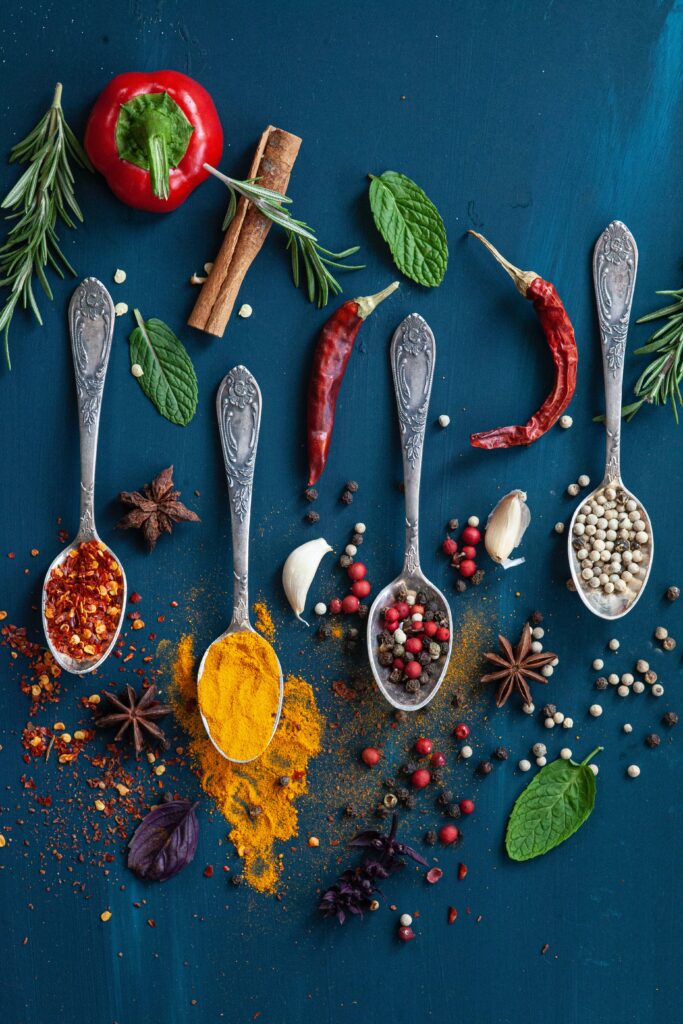
Different chillies have different flavours and strengths depending on which type they are. It’s like the difference between a golden delicious and a cox’s orange pippin, they’re both apples but they taste completely different. Similarly, a Scotch bonnet and a jalapeño are both chillies and yet the difference between the two is massive.
You need to bear in mind all chillies have different levels of heat. For example:
Get to know your chillies and get to know what level of heat you, not only can cope with, but also what level of heat you enjoy.
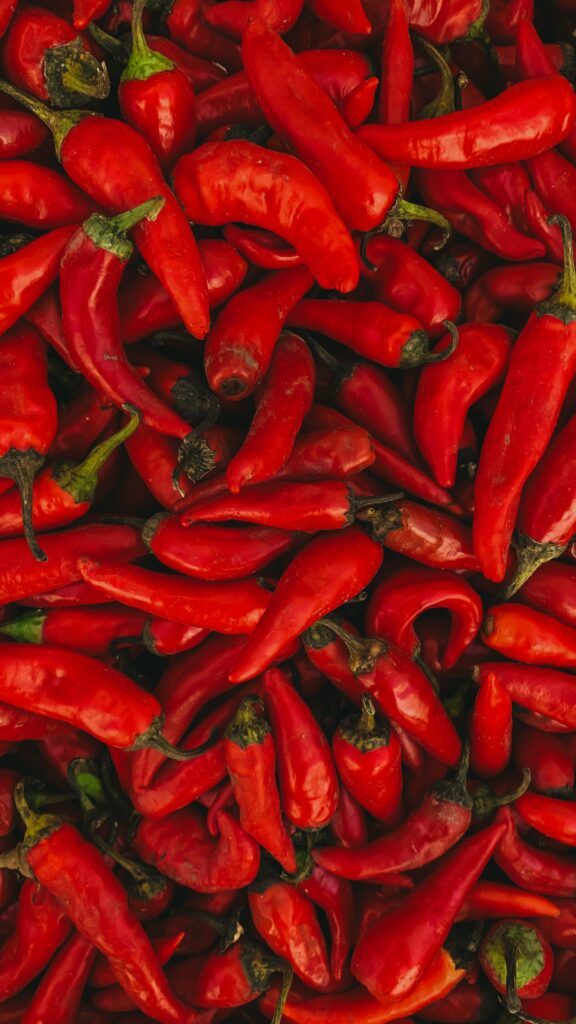
Remember, if a recipe has ‘one chilli’, listed as part of the ingredients, you need to consider whether you prefer that chilli to be a mild chilli that provides just a tingle of heat or if you prefer something with a bit more fire and gives you a real buzz. It may be best to add it gradually if you’re not sure just how much chilli you enjoy.
If you’re cooking for others it may be wise to stick to something a little milder and offer a hot chilli sauce that they can add themselves.
You have control over the recipe you’re following and if you wanted you could just leave it out altogether, you have that option.
Let me make it clear, when I say spice things up a bit, I’m not just talking about throwing a ton of chilli into the mix with all your dishes. I don’t know about you but I don’t really enjoy food that’s too hot. For me it wipes out the real flavour of the food. I like food with just enough chilli to make my mouth tingle with excitement. How about you?
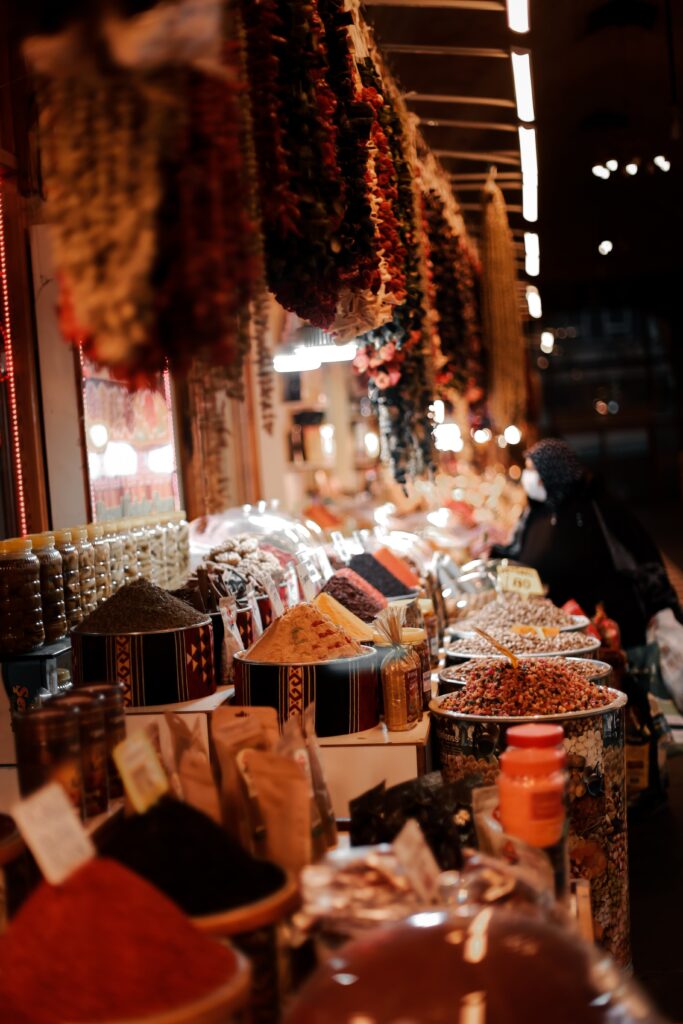
When buying spices consider where they came from. Where spices are grown can also affect their flavour. Spices grown in India can be quite different from the same spice grown in Spain or South America. They have to be don’t they? The climates are different, the soil’s different, drying methods are probably different and so on. So, take this into account when you’re buying your spices.
Similarly a spice bought in a budget supermarket can be very different from the same sort of spice bought from a more up-market store. That might make me sound like a snob, but I know from experience that it can make a big difference. The up-market store may be more expensive but that’s quite often because they’ve taken the trouble to ensure the absolute quality of the product.
At the end of the day the quality of the spice has a massive affect on the end result. The cost of the spice is generally a fraction of the cost in comparison to all the other ingredients. If the more expensive spice makes your food “unforgettable” then it’s money well spent in my opinion.
Another major factor to be taken into account, is how old your spices are. A spice that’s been sitting in the back of your cupboard for the last 8 years will taste much less vibrant than something that was picked and dried a few short months ago. I would go as far as suggesting that, if you have spices that have been in your cupboard for anything more than a year, or even 6 months in some cases, it really needs to head for the bin. It will just be stale, have all the potency of saw dust and just need replacing.
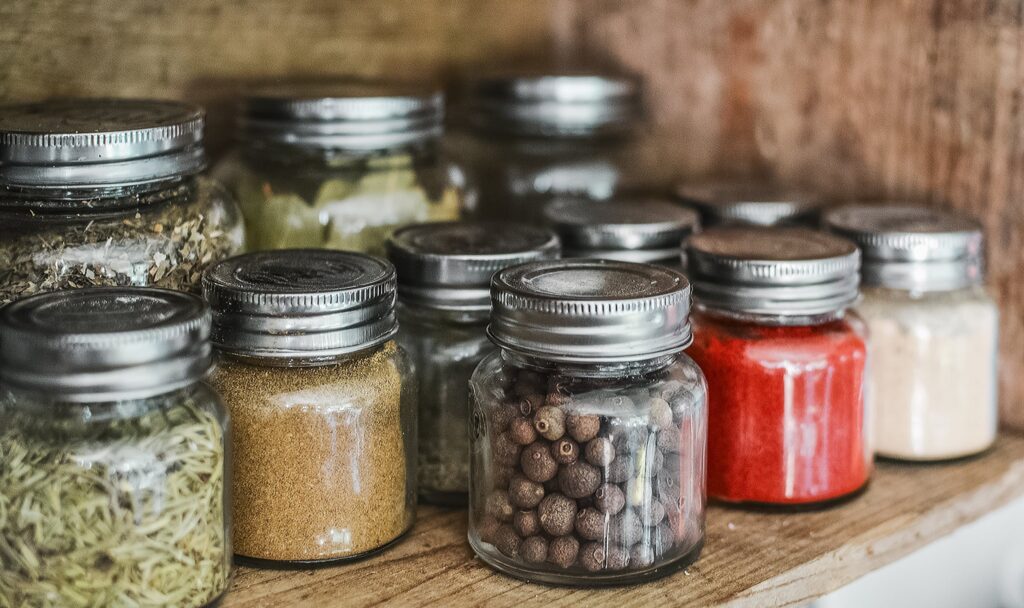
Similarly, sometimes we’re tempted to buy great big catering packs of spices, because it’s so much more economic to do so. You can often get an enormous bag for just 50% more than a little pot. But unless you’re using vast amounts of that particular spice in your cooking it really is a false economy. It’s better to buy small quantities to ensure that your spices are used whilst they’re still fresh. This way they can inject their full vitality into your cuisine.
Pre-heating dried whole spices and then grinding them yourself either with a spice grinder or by hand with a pestle and mortar can make a massive difference and be really beneficial for your spices. It helps to liberate their natural oils and can make them so much more fragrant and flavoursome. Plus it makes your kitchen smell amazing.
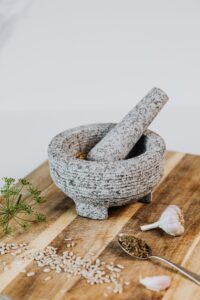
So, bearing all these variables in mind, I hope you can see how important your input is. It’s important for you to always taste everything.
Many cooks regrettably consider “check the seasoning” to mean “check to see if you need to add salt and pepper at the end of the cooking”. But seasoning needs to be checked regularly throughout the cooking process, so that if the flavours and aromas need adjusting, this can be done early enough to allow the additional spices to add their full potential.
So, I say again, spices really are your best friends. Get to know them really well. Allow them to help you achieve your full potential with the meals you prepare.
The real art of spice blending is knowing which spices need to be added and to know them well enough to know which part of the flavour spectrum they add to the dish and how to balance them.
All spices bring their own individual flavours to a dish. Stay with us and we’ll help you become familiar with these bundles of joy and help you become a true spice artist.
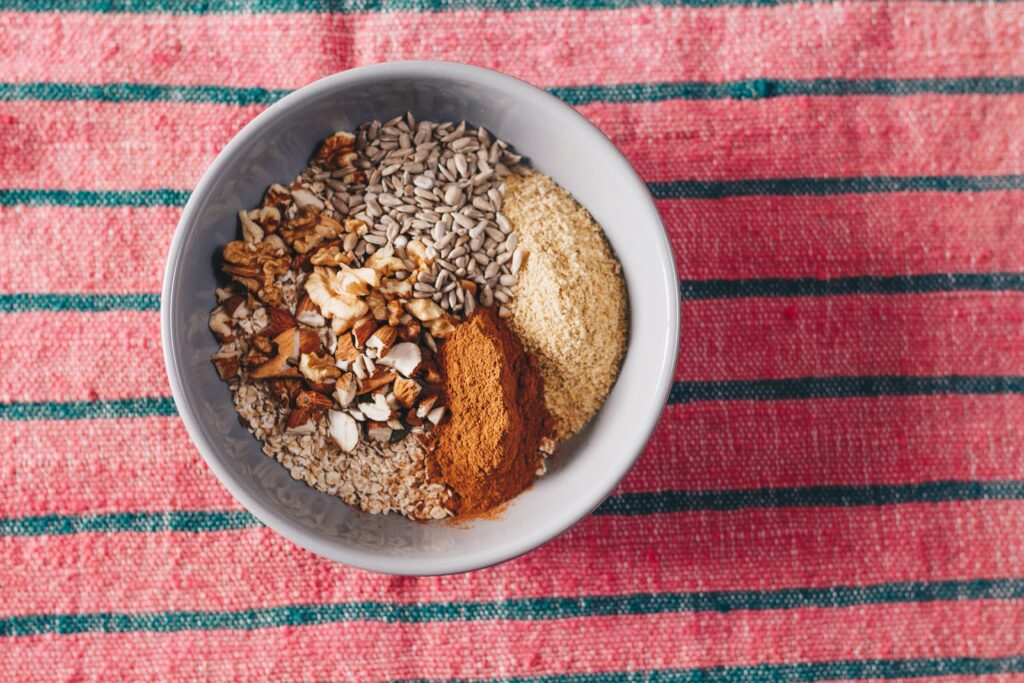
Dukkah – a delicious nut and spice blend – a snack for dunking flat breads with a little olive oil
Halabissah – a clear beef soup with chickpeas, laced with lemon and chilli – a celebration of flavours in a glass.
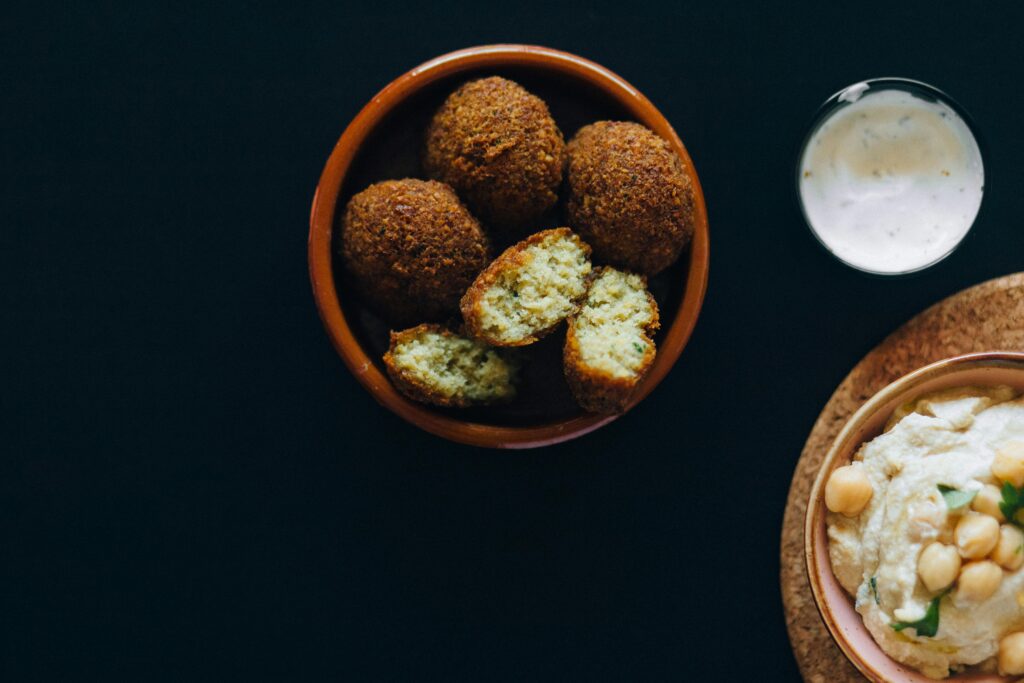
Falafel – Fava Bean nuggets – absolutely ripped with flavour
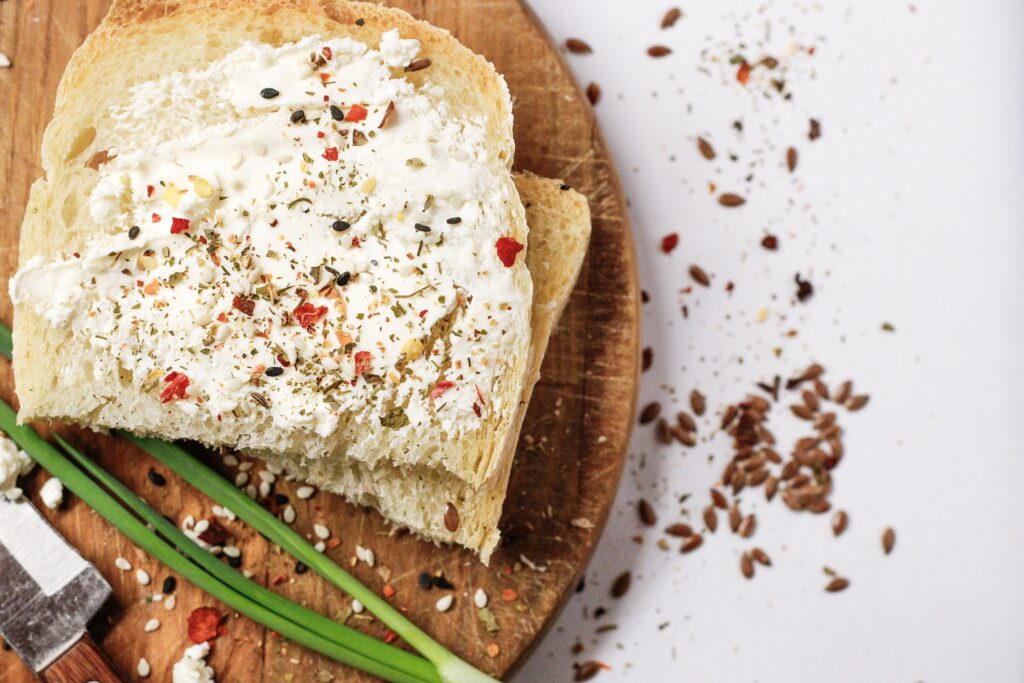
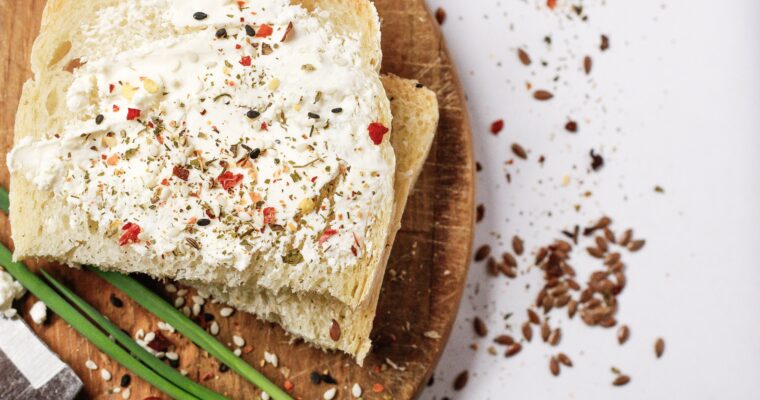
Mish – a spicy cheese spread – a really unusual cheese that really packs a punch
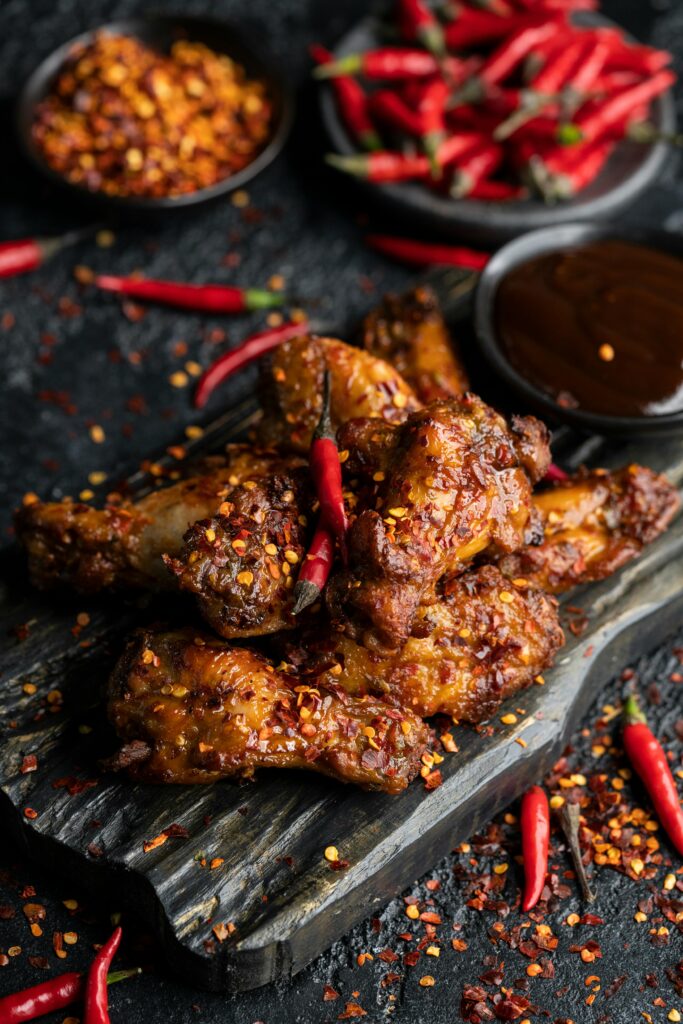
Harissa Chicken – a gloriously zingy chicken, flavoured with smoked paprika and a blend of other spices with a hit of chilli to really make a statement.
Hawowshi – a popular street food; bread pockets filled with the most wonderful spiced minced beef.
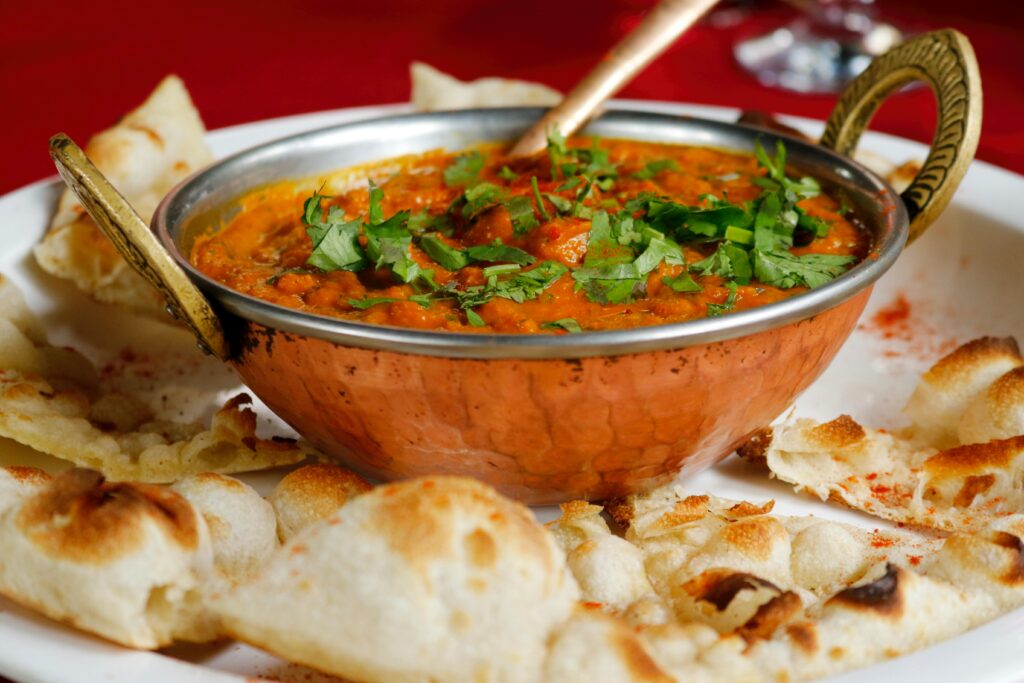
Muhammara – My absolute favourite Red Pepper & Walnut Dip. Laced with tangy pomgranate molasses and a hit of chilli, this dip is a real head turner. Great as part of a mezze or served with warm flat breads
I hope you enjoy these recipes.
What sort of food is a real show stopper for you?
Let me know, we’re always pleased to hear from you.
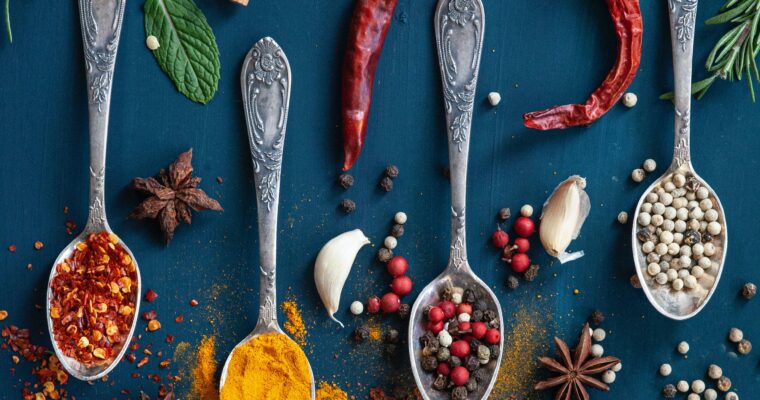
Hawowshi Scandria – Learn how to make this popular street food. – Baked bread with a delicious spicy meat filling
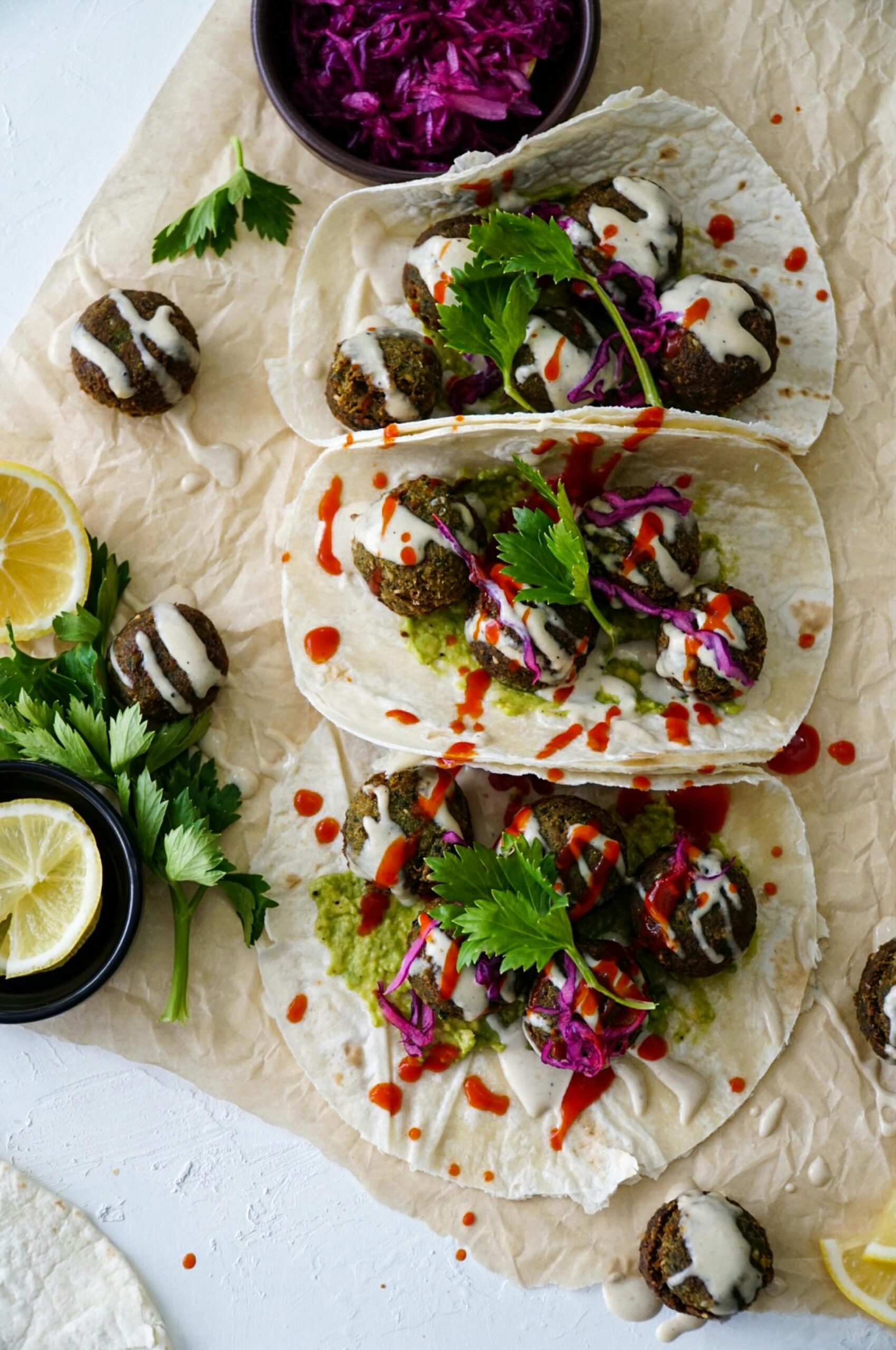
To save confusion I’ll just call these falafel.
Falafel is the name the rest of the Middle East and in fact the rest of the world know these wonderful flavourful nuggets by. Perhaps I should say that Tamm’iya is falafels tasty Egyptian cousin.
The major difference in the recipe that Egyptians use is that they use Fava beans as their main ingredients whilst other countries such as Palestine use chickpeas. Others, such as Jordan, use a mixture of the two.
What has to be acknowledged is that Ful and Falafel stands are to be found all over Egypt. There are possibly even more Ful and Falafel stands than there are coffee shops. And that’s saying something!
My son made the mistake of buying a falafel sandwich, whilst waiting for his flight at Heathrow airport. What he had – in his words was “a cold, dry falafel wrap which had as much flavour as a piece of cardboard – nothing like the tamm’iya you get in Egypt.” This is true, falafel sandwiches should be exciting , full of flavour, packed with fresh herbs, have a zing of chilli and make your mouth dance.
Many Egyptians joke that Egypt is fuelled by Ful and Falafel. They are eaten morning , noon & night; for breakfast, lunch and supper.
Meat is very expensive in Egypt. Too expensive to be eaten regularly, for the average person. Ful and Falafel are great sources of vegetarian protein and by comparison are so much more affordable.
In Egypt you can buy raw ready-made falafel mix from a falafel stall to cook at home. Sadly outside of Egypt that’s rare.
Don’t be tempted to buy de-hydrated mixes that come in a box. They are nothing like good falafel. So if you want the real thing you’re going to have to make it from scratch.
If you’re making Falafel from scratch, preparation does involve overnight soaking. But other than that this is a quick meal to prepare and they are loved by all Egyptians.
I must emphasise that you need split fava beans which have been skinned and look pale in colour NOT the brown fava beans that still have their skins.
Drain the split fava beans well in a sieve or colander. Tip them into a food processor, along with the leek, onions, garlic, flour and cumin and blitz the ingredients to a really frothy, smooth paste. Then tip it out on to a large bowl.
Add the spring onions, chilli, tomato, chopped coriander, bicarbonate of soda and egg.
Season well with salt and pepper and mix well.
Heat up a frying pan over a medium to high heat and pour in about 8cm deep of oil.
When you dip the handle of a wooden spoon into the oil and it begins to sizzle, you know you’ve reached the right heat. Reduce the heat slightly.
It’s now time for you to begin cooking your falafel. I like to fry just one falafel first just to check the seasoning. Does it need more cumin? chilli? It’s good to check.
Many people like to wet their hands and take some falafel mix about the size of a walnut. They flatten it slightly and sprinkle with sesame seeds. Then lower it into the hot oil taking care not to drip water from their hands as it will cause the hot oil to spit. This is also how you see them being make at Falafel stalls.
I prefer to use 2 dessert spoons to or an ice-cream scoop to scoop up a rounded spoonful of falafel mixture and form it into a round. Sprinkle sesame seeds onto the top and gently lower it into the oil.
You will need to cook in batches of about 5 at a time. This will ensure your pan doesn’t get over filled. Expect the falafel to puff up a little with the baking powder in the mix.
Cook for 2-3 minutes until they become a golden brown colour. Flip them over to make sure they are cooked on both sides.
Using a slotted spoon remove them from the oil. Keep then in a warm place whilst you cook the rest of your mix.
Traditionally these are eaten with Ful Medammes but they are also extremely good eaten in a pitta bread sandwich with salad and a drizzle of tahini.
I do hope you’ll enjoy these! Let me know how you get on with them.

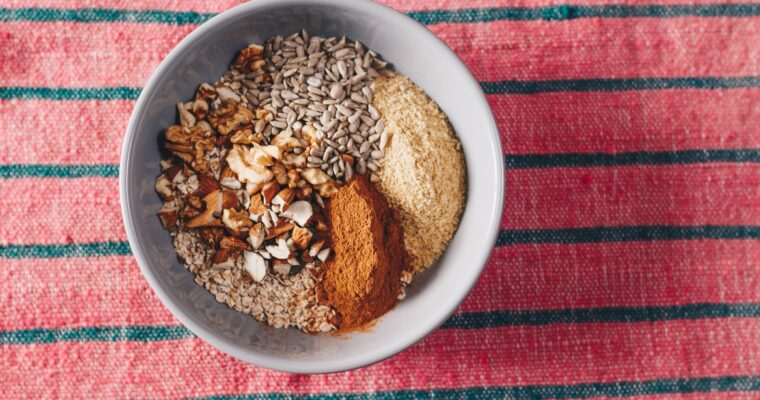
Dukkah – Learn to make the perfect Egyptian Nut and Spice Blend that’s a truly moreish snack with flat bread and a little olive oil.
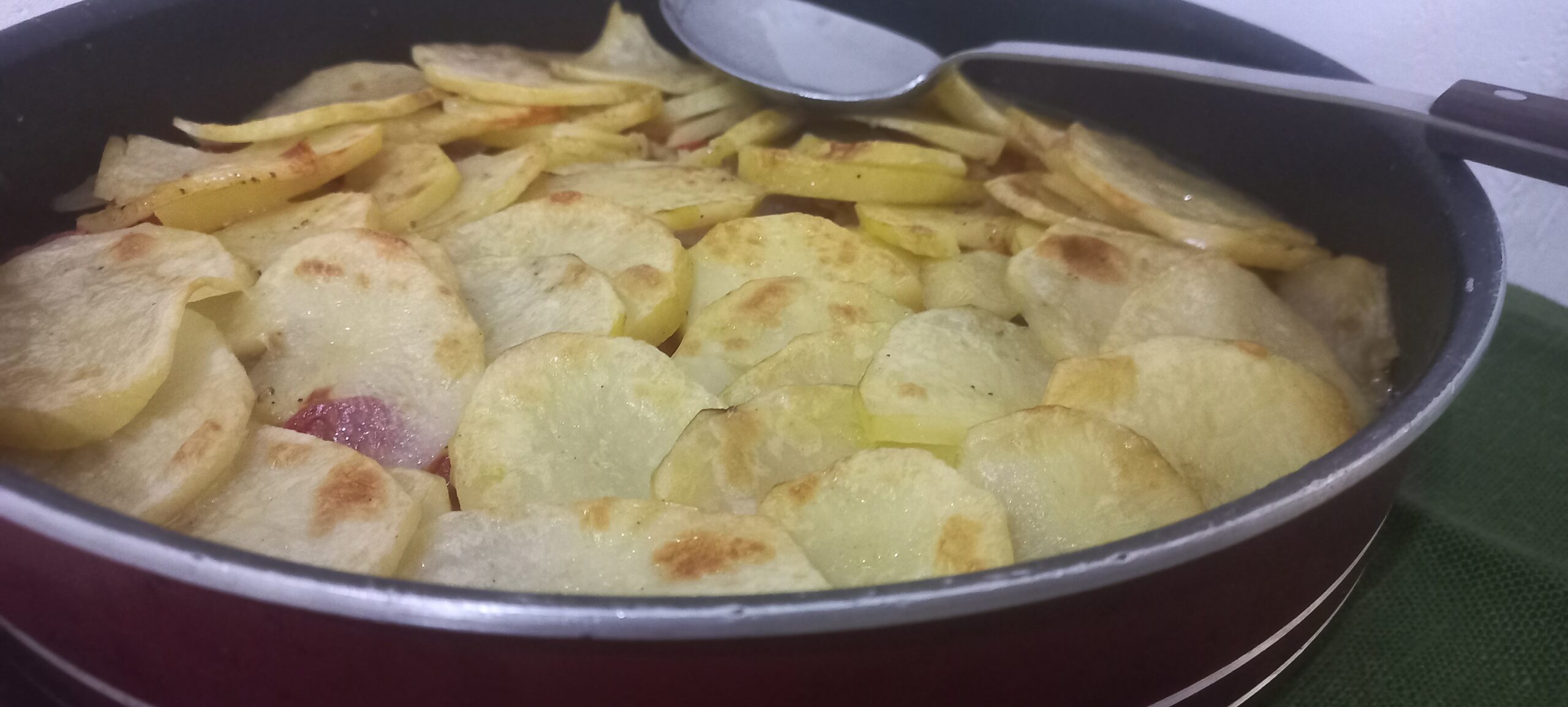
Potato Layer Bake is a delicious side dish. The potatoes are gloriously soft and tender with a wonderful crispy topping. They are seriously full of flavour having additional vegetables layered in and then cooked in a rich stock. They are similar to dauphinoise potatoes but with more flavour and without the high fat content.
Pre-heat the oven at 180 degrees C
First peel the potatoes and slice finely to about 0.5 cm thick.
Butter a deep oven- proof dish about 9″ x 13″.
Using about 1/3 of the potatoes, lay a layer in the buttered dish.
Lay the tomatoes, the garlic and 1/2 the onions over them. Grate one of the stock cubes over the surface.
Season well with pepper.
Using another 1/3 of the potatoes lay down another layer.
Top this with the other 1/2 of the onions.
Grate another stock cube over the top. And again season well with pepper.
Lay the remaining potatoes over the top.
Grate the last stock cube over the top.
Dot the butter over the top.
Pour boiling water into your baking dish until it’s to about half the depth of the potatoes.
Cover the baking dish with cooking foil.
Allow space between the cooking foil and the potatoes so they don’t stick and also to allow for steam to percolate.
Put your Potato Layer Bake into the pre-heated oven and cook for about an hour.
Check that the potatoes are cooked by gently inserting a knife into them – they should be beautifully soft.
If they are still a little hard, cook them a little longer.
When the potatoes are done, remove the foil.
Return to the oven for about 10 minute. This will allow the surface to become a beautiful golden brown.
Allow the potatoes to cool slightly before serving – this allows the flavours to shine through.
Enjoy
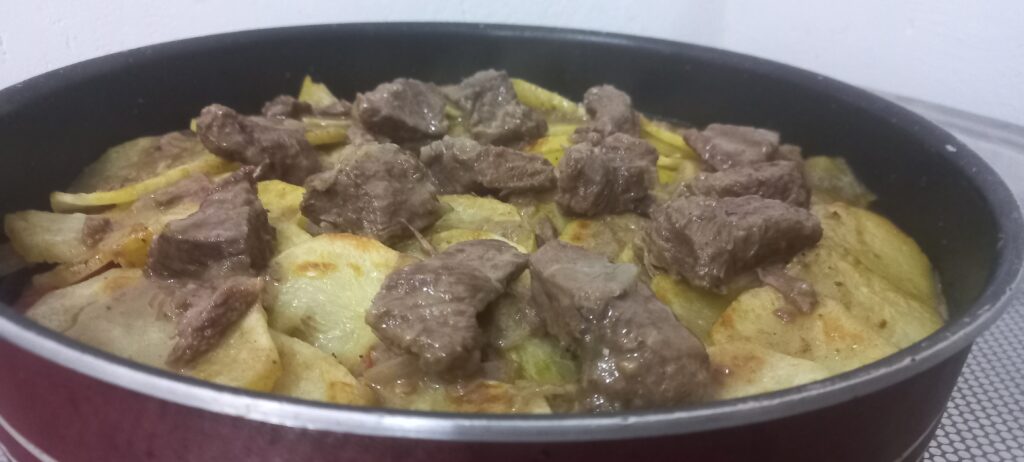
Another way to enjoy Potato layers is as Lamb Stew with Potato Layer Bake. The stew is cooked first. The potatoes are then cooked in the rich gravy from the stew. The meat from the stew is then spooned over the potatoes along with a little of the remaining gravy.
For the recipe for the perfect Lamb Stew click here:
I’m sure you’ll love this recipe. I do hope you try it.
Let me know how you get on with it. And keep those photos coming in – I love seeing them.
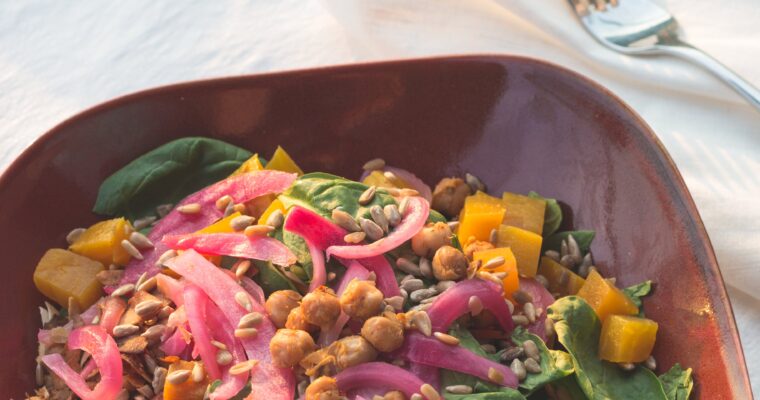
Roasted Butternut Squash Salad Roasted Butternut Squash Salad : Butternut squash, roasted until tender and seasoned with Dukkah (a warm aromatic nut and spice blend), is the main star of the show with this dish. The sweet nutty flavour of the butternut squash is perfectly …